








Jude Brownell
Draft. Case studies include dashed “To add” boxes with details only you know.

Open to design technologist & UX roles · Rochester, MN · Remote

I design human-centered products. And I can build them too.

Product designer and UX researcher. Eight years turning research with real people into shipped products for UNICEF, UNDP, health brands and AI startups.

Jude Brownell

Products

Shipped, with real users

Open any project for the short story: who it was for, what they needed, what I designed, and what changed.

Play

Creative technology experiments

Personal projects where I push interaction, motion and real-time 3D. Each one is a full experience you can open and play with.

Off the clock

Things I make by hand

Oil, acrylic, watercolor, ink, digital painting, ceramics and resin. It's where I practice color and composition, and keep learning new techniques.

See all 30 pieces →
Type design

Solecito, a type family I drew

Three variable fonts, each with its own italic: a Script made from my handwriting, a friendly Sans that isn’t too sharp, and a Serif whose italic turns cursive. Every weight from 100 to 900, with Spanish accents built in.

¡Hola! Diseño con cariño, y lo construyo también.

Tap the text and type your own.

How I work

Many voices in. One clear direction out.

Every project starts by listening to everyone it touches. Each note is one voice. Scroll and watch them come together into the five stages of every project I run.

  • People who use it
  • The team who runs it
  • Leaders who fund it
  • Partners around it
  1. What people needI listen to users, staff, leaders and partners, and write down what each one needs in their own words.01 · Empathize
  2. Where it hurtsI map how things work today, step by step, and mark where people get stuck or start over.02 · Define
  3. What we'll tryTogether we rank ideas by impact and effort, and agree on the smallest first version worth building.03 · Ideate
  4. What we'll build firstI turn the winning idea into flows and a prototype real enough to test, in Figma or in code.04 · Prototype
  5. What the data saysI test with real people and read the numbers: usability tests, analytics, A/B tests. If the data disagrees, we change course.05 · Test

The human-centered loop

Those five notes are the five stages I follow, and the last one leads back to the first. Pick a stage, or tap a note above, to see what I do, what I deliver, and where I've done it.

Engineering

Built to the standards I'd hold a team to

I studied software engineering, and I still review every release like an engineer. Here's what this site follows, how it's put together, and the tool that checks it before it ships.

WCAG 2.2 AA

Accessible

Every text color passes AA in both themes, measured live in the accessibility panel. Visible focus, real buttons, keyboard tabs, reduced motion and a color-blindness preview.

Core Web Vitals

Fast

Built for LCP ≤ 2.5 s, INP ≤ 200 ms and CLS ≤ 0.1. Media reserves its space, videos and WebGL pause off-screen, and there's no framework to download.

OWASP Top 10:2025

Secure

No secrets in the browser, escaped output, a pinned 3D library with an integrity hash, and security headers (CSP, HSTS) set at the host.

Consent first

Private

Analytics only start after a yes, record no names, and show visitors exactly what was recorded.

SEO

Findable

Descriptive titles and meta descriptions, canonical URLs, Open Graph previews, a sitemap and a robots file.

AEO

Answerable

Structured data (Person, FAQ) that matches what's on the page, question-style answers, and an llms.txt that tells AI assistants what matters.

Lint · Format

Consistent

2-space indentation set by EditorConfig, formatted by Prettier, linted by ESLint, Stylelint and html-validate, all run with one command before release.

Docs

Documented

A README that explains how to run, check and deploy, JSDoc on the core functions, and design tokens with comments that say why.

The stack I build with

used on this site

Current versions and the cloud services I've deployed on. I pick from this list per project, using the method below.

Languages

  • JavaScriptES2023
  • TypeScript5.x
  • Python3.12+
  • SQLPostgreSQL · SQL Server
  • HTML · CSSGrid, container queries

Front end

  • React18 · 19
  • Next.js14 · 15
  • Angular17+
  • Tailwind CSS3.x
  • three.js · WebGLr128 · r160

Back end and data

  • Node.js22 LTS
  • Express4.x
  • PostgreSQL · Supabase16
  • REST · webhooksShopify, QuickBooks

Cloud

  • AWS EC2 · ECSservers, containers
  • AWS RDS · S3databases, storage
  • Google Cloudcompute, databases
  • Google reCAPTCHAbot protection
  • Netlify · VercelCDN, edge, CI

AI

  • Claude · OpenAI APIsagents, tool use
  • Claude Code · Cursorpair programming
  • Prompt and eval designAnyreach agents

Platforms and APIs

  • ShopifyAdmin API · webhooks
  • QuickBooks OnlineAccounting API
  • PostHogevents · experiments
  • Google AnalyticsGA4 events · funnels
  • Mixpanelproduct analytics
  • Any public APIREST · GraphQL · webhooks

Quality and tooling

  • ESLint9
  • Prettier3
  • Stylelint16
  • Playwrightbrowser tests
  • Git · GitHubPRs, reviews

How I write it

Real patterns from this site.


Principles I code by

  • Small, boring, documented. Plain functions, one job each, with JSDoc on anything another person will call.
  • Never trust input. Everything from data or users is escaped before it reaches the page.
  • Fails gracefully. No WebGL, no JavaScript, no storage, a blocked CDN: the page still works.
  • Measured, not guessed. Performance budgets, contrast checks and lint run before every release.

How I choose a stack

  1. 1 · GoalsWhat has to be true in six months
  2. 2 · ConstraintsBudget, team skills, deadline, tools already in use
  3. 3 · OptionsTwo or three real candidates, never one
  4. 4 · ScoreWeighted on cost, resilience, scale and speed
  5. 5 · RecordA short decision record with a date to revisit

Drag a weight and watch whether the decision still holds.

The architecture that came out of it

Latest checks before release

  • Prettier formatted
  • ESLint 0 errors
  • Stylelint 0 errors
  • HTML validator 0 errors
  • Code review Ship
  • SEO + AEO 99/100
  • Contrast 16/16 AA, both themes

Skills I share

Tools I built for Claude and use on my own work. I don't gatekeep. Try them out ;)

Release gate

code-quality-review

Scans HTML, CSS and JS for accessibility, performance, security and privacy issues with line numbers, then gives one verdict: Ship, Ship after fixes, or Block.

$ python3 scripts/audit.py public
Verdict: Ship · 0 blockers · 0 majors

Ask: “Review my site before I publish it.”

Download .zip
Search + AI answers

seo-aeo-audit

Checks titles, descriptions, previews, structured data, sitemap, robots and llms.txt, plus whether answer engines can quote your pages. Scores out of 100.

$ python3 scripts/seo_audit.py public
Score: 99/100

Ask: “Will Google and ChatGPT understand my site?”

Download .zip
Color

palette-a11y-check

A WCAG contrast matrix for your tokens, how each color looks with four types of color blindness, and the nearest passing shade for every fail.

$ python3 scripts/palette_check.py --css site.css
Pairs passing AA: 16 of 16, light and dark

Ask: “Are my brand colors accessible?”

Download .zip
Portfolio

ux-case-study-writer

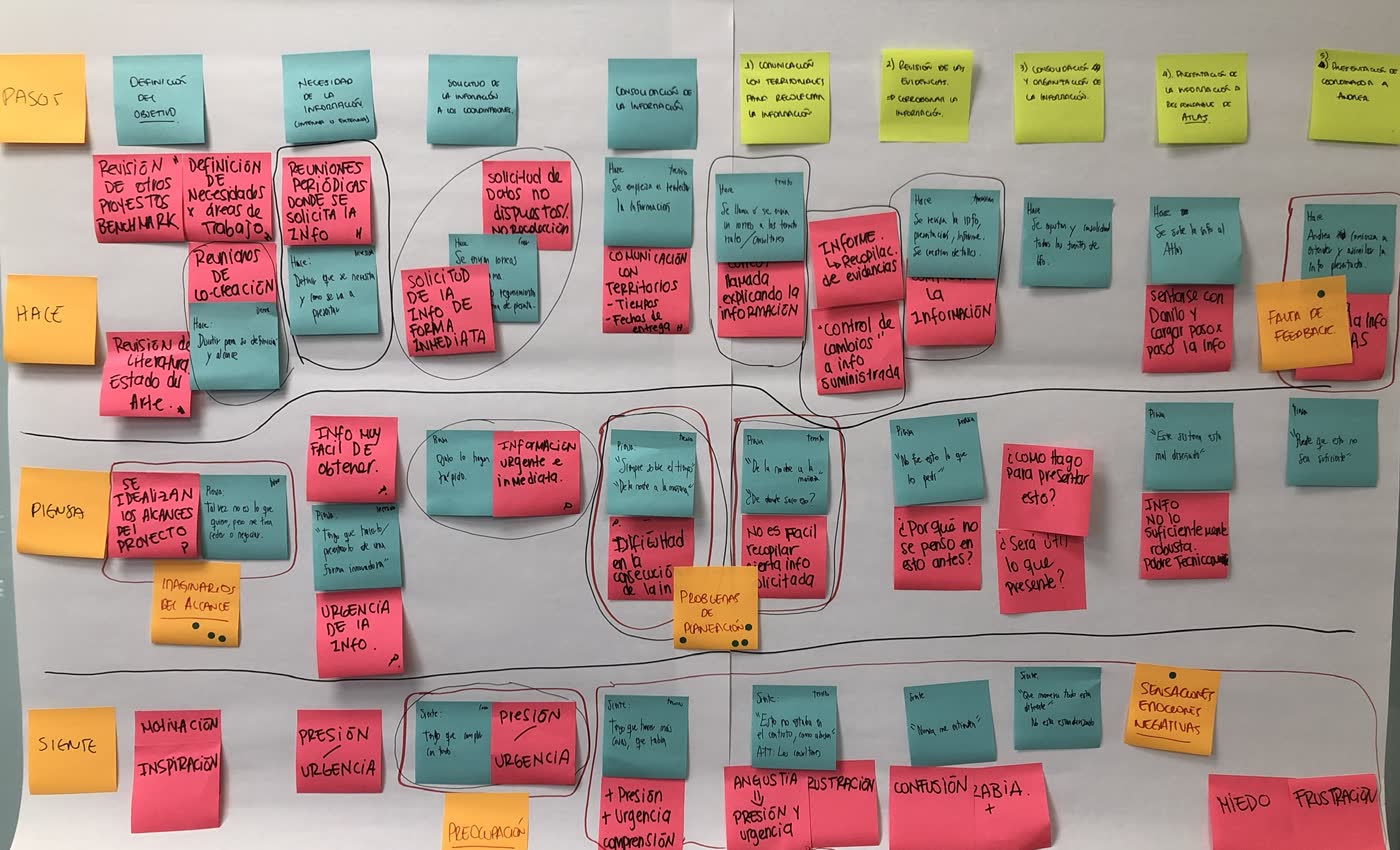
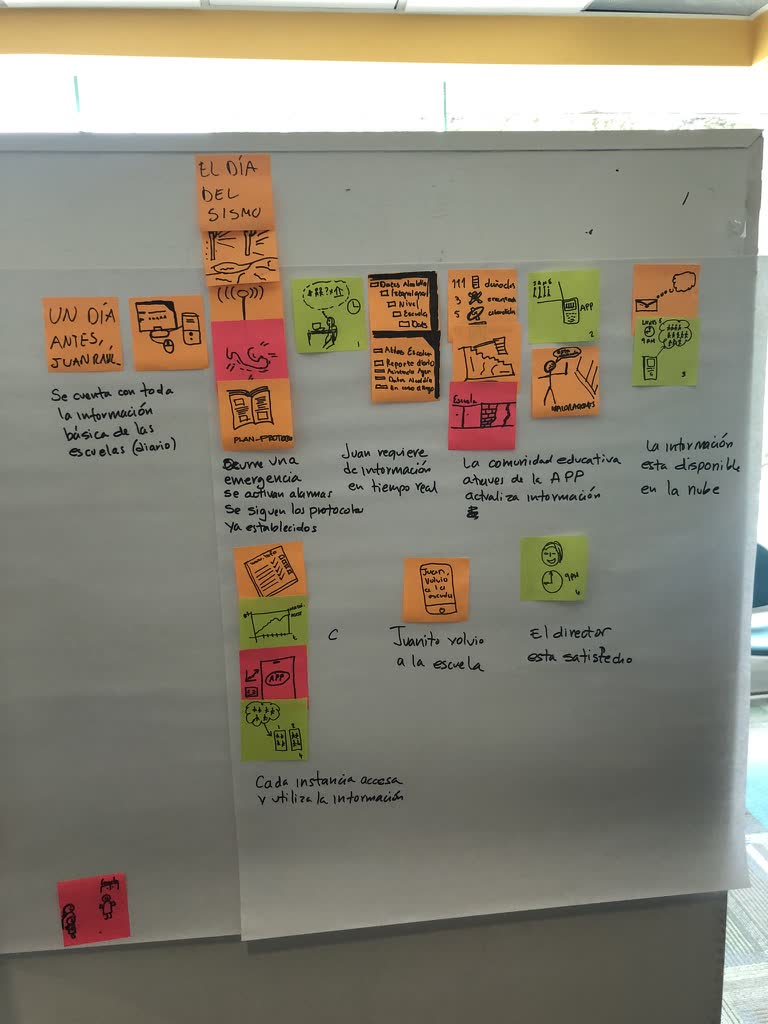
Turns notes, workshop photos and screenshots into an honest case study: people, need, process, decisions, outcome. It asks what's missing and never invents results.

› Help me write a case study
Asks: 4 questions, then drafts

Ask: “Turn these photos into a case study.”

Download .zip

How to use them

Five steps, about a minute.

    Needs code execution turned on in Claude (Settings › Capabilities). Sources: Use skills in Claude · Claude Code skills

    About

    I was an artist before I was an engineer. I've painted and drawn since I was four, sitting next to my dad while he worked on his own art. When I found out a screen could be a canvas people actually use, where something can look beautiful and also work, I wanted to learn how to build it. So I studied software engineering, and design came with me into every role since.

    I was born and raised in Jalisco, Mexico, and now live in Minnesota. For a few years I volunteered with Hiawatha Homes, which supports people with special needs, running the craft workshop at their Festival of Trees. I still love helping people out.

    More on Medium ↗

    What does Jude do?

    I'm a design technologist: I research what people need, design the product and build it in code.

    Is Jude open to work?

    Yes. I'm open to design technologist and UX roles, remote or in Rochester, Minnesota.

    Which languages does Jude work in?

    English and Spanish, including research and workshops.

    How can I contact Jude?

    Email judithmagana.ux@gmail.com or connect on LinkedIn.

    1. 2014–18
      B.S. Computer Software Engineering

      Universidad Autónoma de Guadalajara

    2. Start
      Jabil · Software Engineer

      Wrote SQL queries and views and supported website management for Jabil's global team, shipping changes across their sites.

      SQL · Web
    3. 2017–21
      IBM Garage · Front-End Developer & UX/UI Designer

      Part of IBM's global innovation consultancy for fast, user-centered transformation, and of Millennial Corps, a group of young leaders rethinking IBM's own processes. Facilitated design thinking workshops for international nonprofits, and designed and built for national banks and global enterprises.

      Workshops · UI design · React · Angular
    4. 2021–24
      Schola · Product Manager → Director of Product

      Led a full platform redesign, from funnel research and information architecture to front-end build. The product work supported a $10M Series A.

      Research · IA · Redesign
    5. 2024–26
      Anyreach · Head of Product

      Took AI voice and messaging products from zero to launch, and designed and built Evolv Nutra as a one-person team.

      0→1 · Brand · Platform design
    6. Now
      Looking for a design technologist role

      Where research, craft and code meet, on a team that cares about the people it designs for.

    Approach

    Designing for people on their busiest days

    Whether it's a patient, a parent, a customer or a coworker, people rarely use a product on a calm day. They're busy, tired or worried. Here is one everyday screen, an appointment reminder, and the six principles I use to make it work for them and for the team behind it.

    Show it for

    Pick an industry, then turn each principle on and watch the same screen get easier to use.

    Effort for the person
    Very high
    Appointment reminder · demo

    Step 1 of 6

    Scheduled engagement attendance confirmation required

    Pursuant to scheduling policy, attendance at the allocated time slot must be verified no later than 24 hours prior to commencement.

    You did in 3 days what we couldn't figure out in months. We found the root cause of a lot of our inefficiencies.Maria · Workshop champion, Colombia
    The website looks better than we expected, has even more functionality than we hoped, and was delivered on time.Cat · Evolv
    We hit our enrollment goals for 2025–2026. Thank you for the campaigns, the website and all the support.Irlanda · Ingenium Schools
    How this site works

    This portfolio adapts to you, and measures itself

    A small engine in your browser watches what you do here and adjusts the page: the order of sections, what to read next, when to offer my contact. Below is exactly what it decided for you, and the experiments I'm running to learn what helps people reach out.

    Your visit, through my funnel

    0:00 here
    1. LandedYou're here
    2. Picked a roleNot yet
    3. Read a case study0 so far
    4. Reached outNot yet
    0sections seen
    0case studies opened
    0things you tried
    25%my goal: visits that reach out

    What the site decided for you

    • Nothing yet. Pick a role or open a case study.

    These decisions happen in your browser. Nothing leaves it unless you allow anonymous analytics.

    Experiments running now

    01 · Ask first, or let people explore?Running

    Bet: asking “What are you hiring for?” on arrival, and rearranging the site around the answer, gets more visitors to reach out than letting them find their own way.

    A
    Ask on the first screen
    B
    Don't ask; the choice waits in the header
    Metric
    Visits that reach out
    Guardrail
    No more than 40% leave in 15 seconds
    You're in
    —
    02 · Offer contact at the right moment?Running

    Bet: offering my email and resume right after someone reads a second case study, when interest is highest, beats waiting for them to scroll to the end.

    A
    A gentle prompt after two case studies
    B
    No prompt
    Metric
    Visits that reach out
    Guardrail
    Prompt dismissed less than half the time
    You're in
    —

    What I track

    Anonymous events only. Open to see the list and your live log.
    • intent_selectwhich role you're hiring for
    • case_opencase studies you open
    • contactemail copy, resume, LinkedIn
    • nudge_shownwhen the contact prompt appears, and what you chose
    • industry_selectindustries you try in Approach
    • principle_toggleprinciples you switch on
    • section_viewsections you reach
    • play_open · skill_download · a11y_toggleexperiments, downloads, accessibility settings

      No names, no ad cookies, no fingerprinting. Nothing is sold or shared.

      Contact

      Let's talk about the people you design for.

      Open to UX, product and design technologist roles · Rochester, MN

      What brings you here?
      A message to start with edit it if you like